
E-MAIL:
WHATSAPP:
24 hours WhatsApp,E-mail quick online service
PRODUCTS
PRODUCT
MESSAGE
If you have any questions, please contact us and we will contact you as soon as possible.
CONTACT US



‹
›
‹
›
◉ Key Attributes
◉ Product Details
Product Introduction
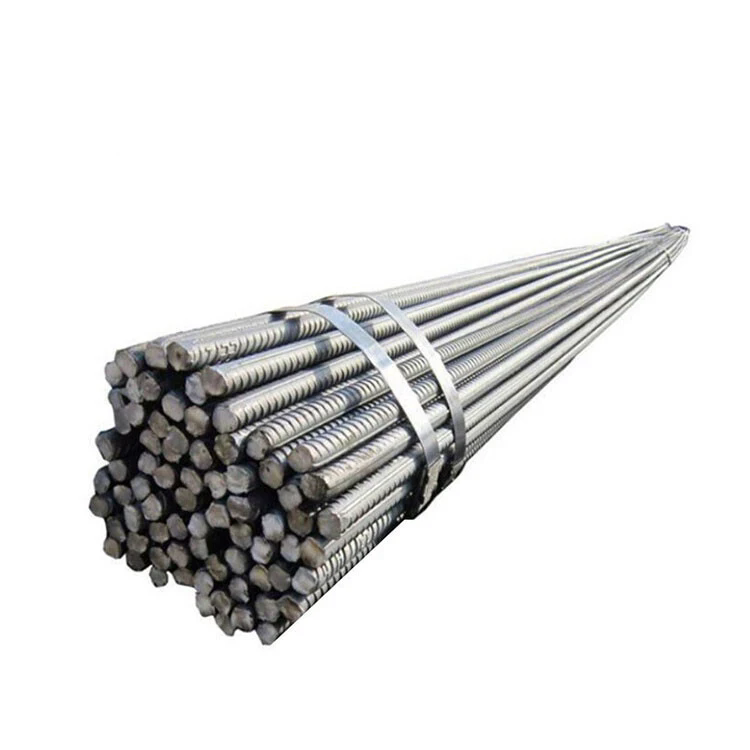
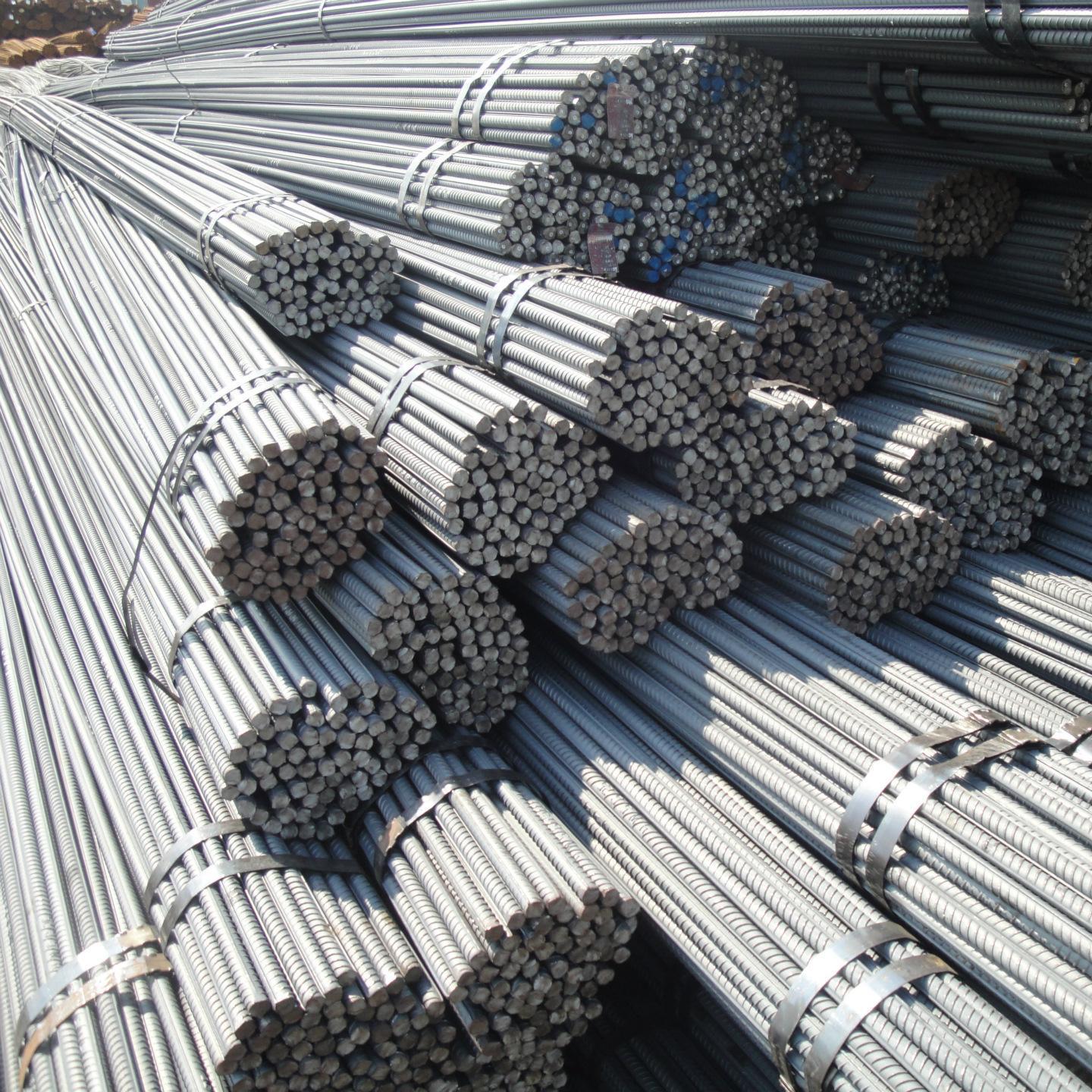
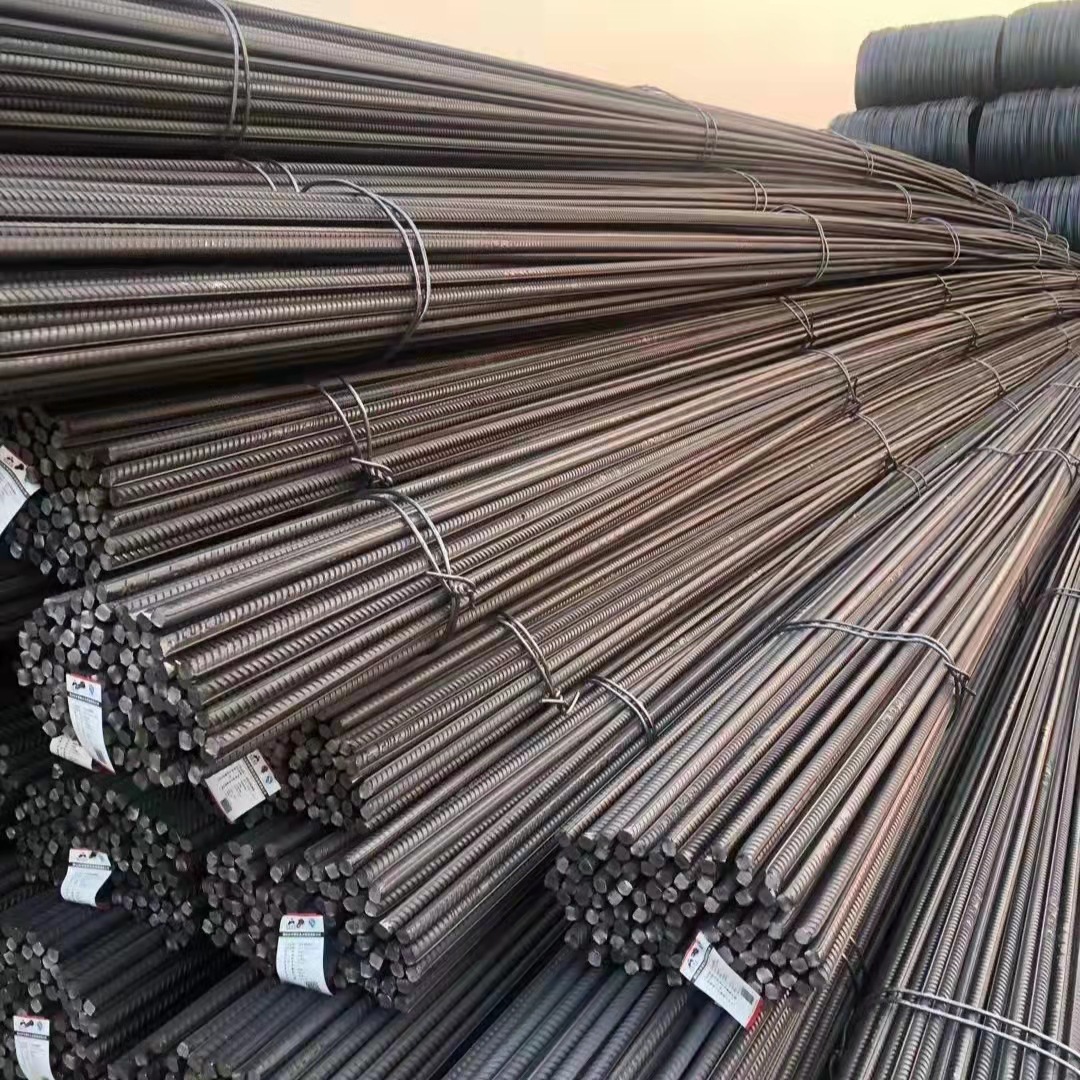
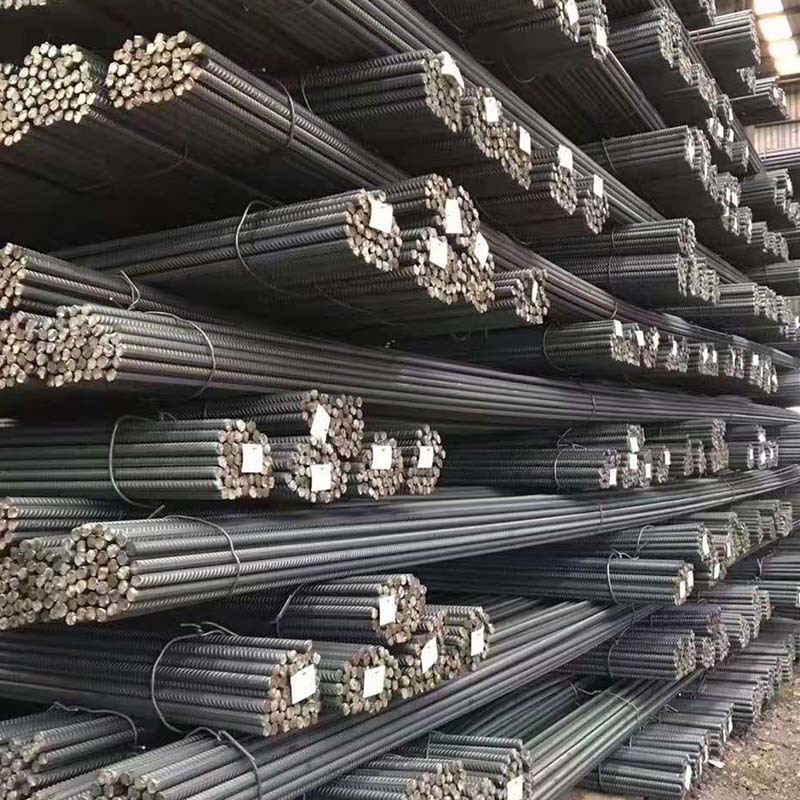
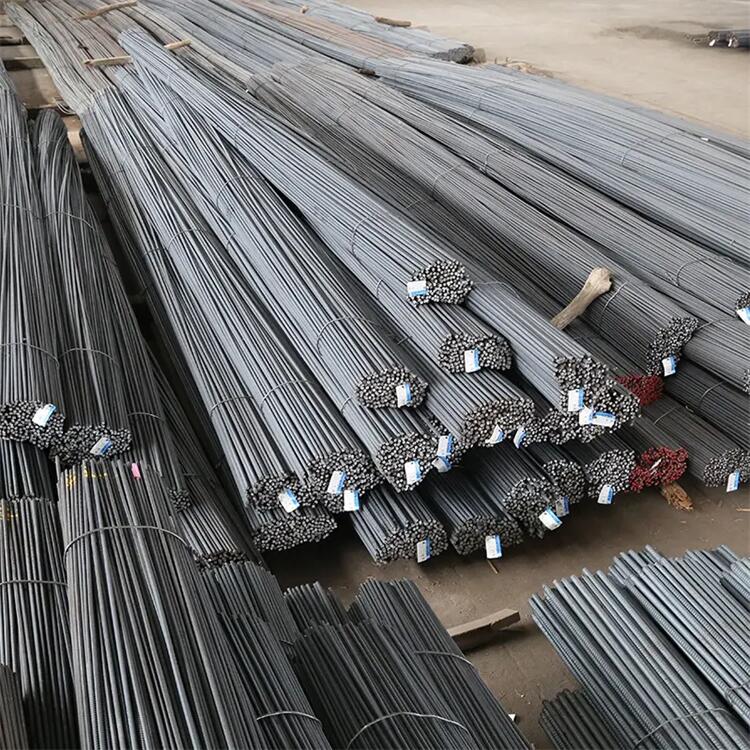
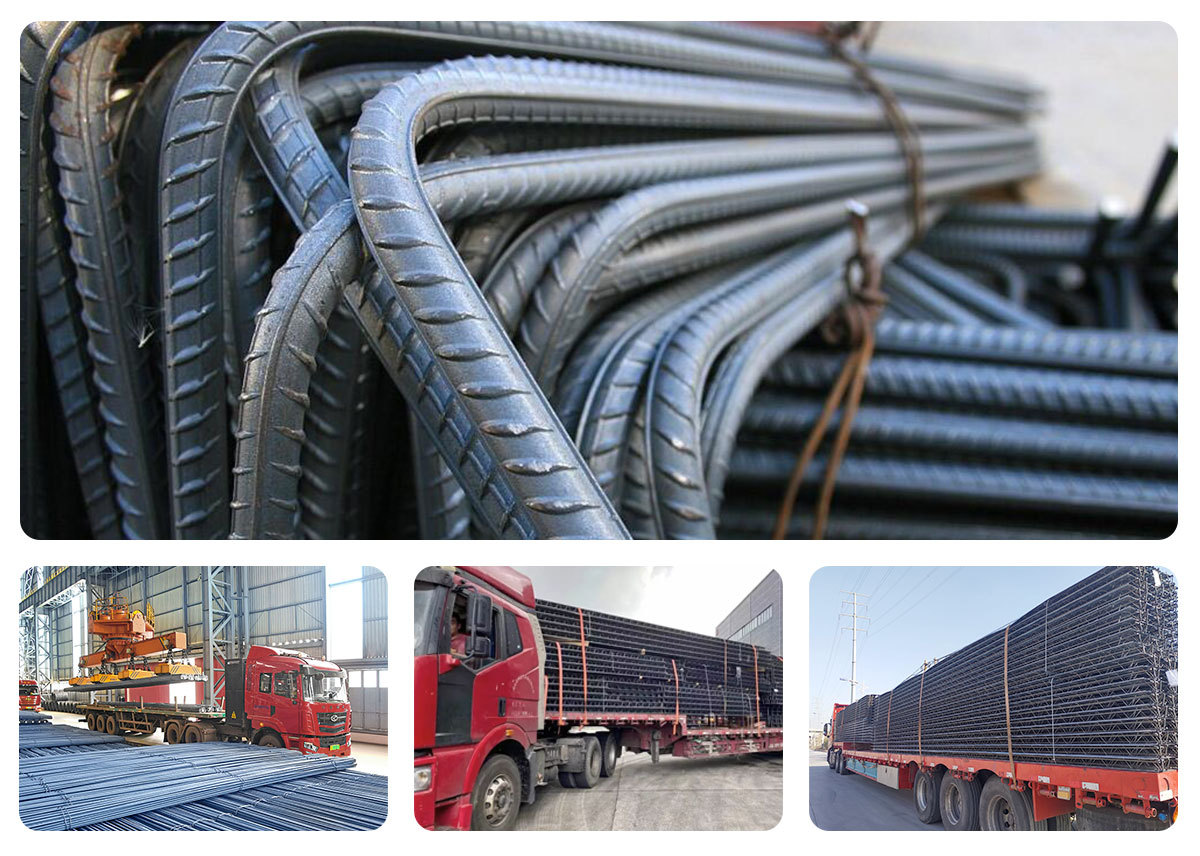
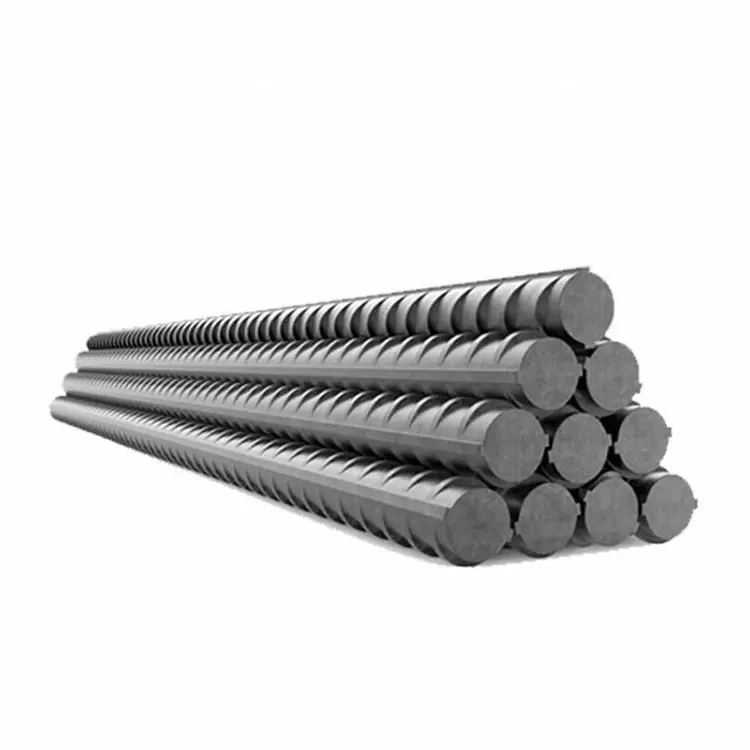
Reinforcing steel, or rebar, is a critical structural material widely used in construction to enhance the tensile strength and durability of concrete. Composed primarily of carbon (C), silicon (Si), and manganese (Mn), it may include alloying elements like vanadium (V), niobium (Nb), or titanium (Ti) to improve mechanical properties. Classified by diameter (3–50+ mm), shape (smooth or ribbed), and production method (hot-rolled, cold-rolled, or prestressed). Ribbed variants, with helical or lunate patterns, enhance concrete adhesion. Graded by performance (I–IV), higher grades like HRB500E meet seismic demands with extended ductility. Applications span foundations, bridges, skyscrapers, and tunnels, where it resists tensile/compressive stresses, controls cracking, and ensures stability.
About Us
Zhongxi (Shandong) Metal Technology Co., Ltd. is a professional steel manufacturing enterprise integrating R&D, production, sales, and service. The factory boasts advanced production equipment and an intelligent management system, with an annual export volume exceeding 300,000 tons. With high-quality products and excellent customer service, our sales network covers numerous countries and regions in the United States, Europe, Southeast Asia, the Middle East, Africa, and South America.
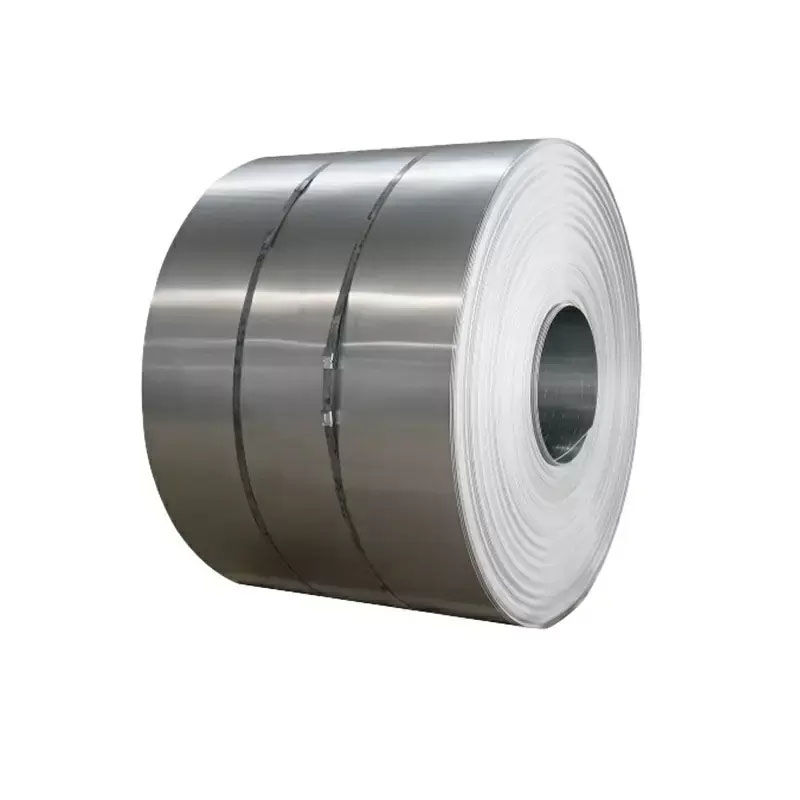
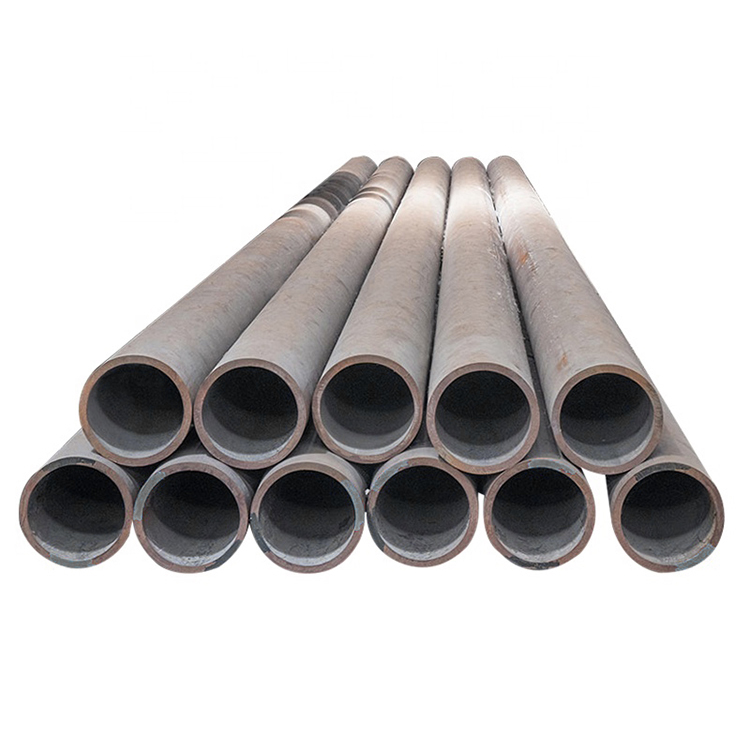
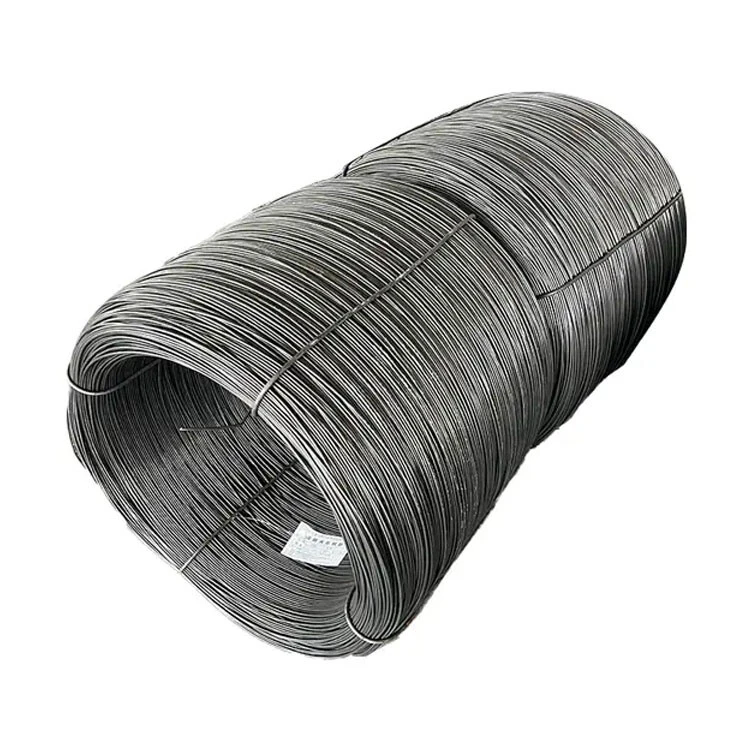
Our main products include carbon steel (carbon steel coils, carbon steel plates, carbon steel pipes, carbon steel wire), structural steel (angle steel, channel steel, I-beams, H-beams, round steel, flat steel, square steel, hexagonal steel), stainless steel (stainless steel coils, stainless steel plates, stainless steel pipes), galvanized steel (galvanized coils, galvanized plates, galvanized pipes), PPGI, PPGL, billets, reinforcing bars, tinplate, and other products.
Adhering to the principle of "Quality First, Reputation Supreme," we are committed to providing customers with high-quality and sufficient products. If you are interested in our products or wish to discuss custom orders, please feel free to contact us. We look forward to establishing successful business relationships with new customers around the world in the near future.
Types of Rebar
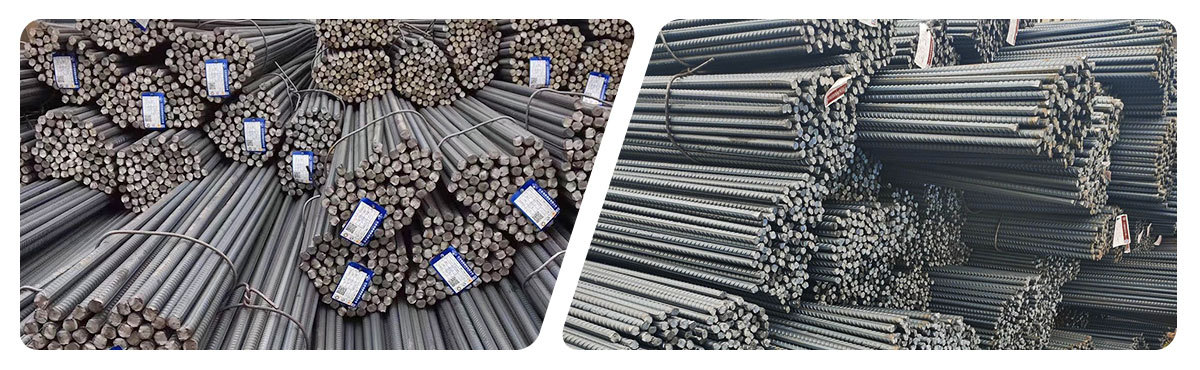
While people may refer to “rebar” as a single product, there are actually different types that are made from different steels that provide different benefits and work best in different situations.
• Carbon Steel Rebar – The most common type of steel rebar, carbon steel provides a strong and versatile material at a relatively economical price for a variety of projects and applications.
• Galvanized Rebar – Like with other galvanized steel products, this rebar is coated in zinc to greatly enhance its corrosion resistance properties and will typically last longer than untreated steel.
• Stainless Steel Rebar – In situations where zinc can’t be used to galvanize the rebar but corrosion is still an issue, stainless steel will occasionally be used as a substitute but is significantly more expensive.
• Epoxy-Coated Rebar – As its name suggests, this steel rebar (usually carbon steel) is coated in epoxy. This gives corrosion resistance at an economical price, but the delicate coating can be damaged by shifting subgrade or concrete sections.
• Glass Fiber Reinforced Polymer (GFRP) Rebar – An alternative to steel rebar, GFRP is made from fiberglass and has high corrosion resistance and tensile strength, but also price.
Advantages of Rebar
1. Enhanced Tensile Strength
The high tensile strength of steel bars (400-600 MPa) compensates for the weak links of concrete in tension, prevents cracking of the structure, and increases the bending capacity by 5-8 times. This synergy ensures stability under tensile loads, which is critical for beams, slabs and cantilever structures.
2. Improved Structural Integrity
By bonding with concrete via mechanical interlock (e.g., ribbed surfaces) and reinforcing critical nodes (e.g., beam-column joints with stirrups), rebar reduces overall displacement by over 40%, enhancing resistance to seismic and wind forces.
3. Crack Control
Rebar limits concrete crack widths to ≤0.3 mm, delaying corrosion ingress. In large-scale structures (e.g., 100m+ continuous walls), it offsets thermal stresses, preventing shrinkage-induced cracking as seen in Shanghai Tower’s dual-layer reinforcement.
4. Seismic Resilience
Rebar’s ductility (≥10% elongation) absorbs >80% of earthquake energy through plastic deformation. Encrypted stirrups in columns triple concrete’s ultimate compressive strain, avoiding brittle failure, evidenced by reduced collapse rates in Taiwan’s 921 earthquake.
5. Load Distribution
Tailored configurations (e.g., bottom reinforcement in beams for bending, spirals in columns for confinement) ensure efficient load transfer, optimizing resistance to bending, shear, and axial forces.
6. Durability Extension
Protective measures (e.g., 20mm+ concrete cover, epoxy coatings) and fatigue resistance (<5% strength loss after 2 million load cycles) extend service life to over 100 years, critical for marine environments.
7. Design Flexibility
Rebar’s malleability enables complex geometries and prestressed applications (e.g., 120m-span bridges), reducing material use while accelerating construction via prefabrication.
Quality Control
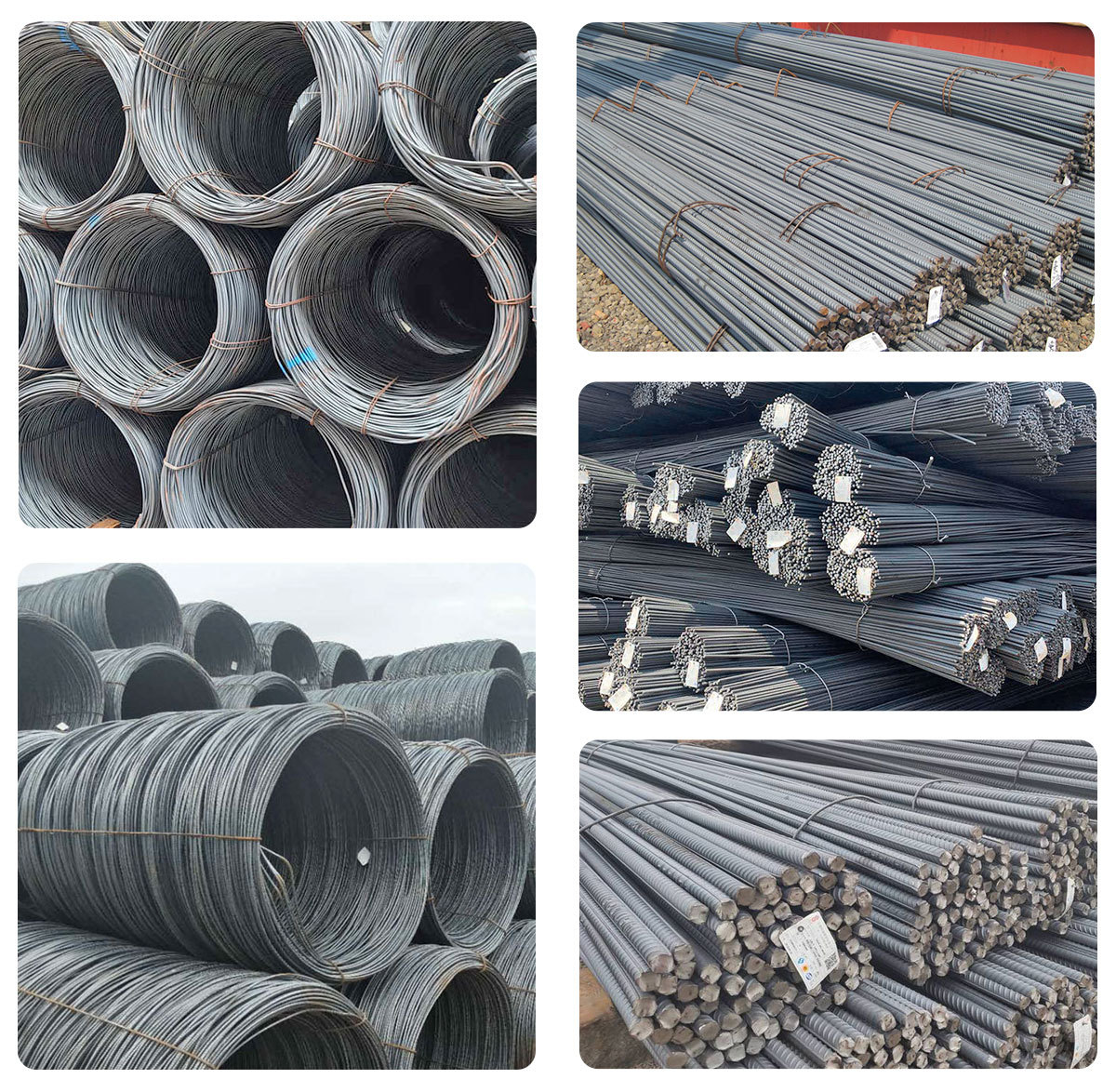
We have our own Physical & Chemical Testing Center Lab to guarantee our product quality. Our test items & instrument fully meet international standards.
Applications of Rebar
1. Building Structures
Rebar is embedded in concrete columns, beams, slabs, and walls to enhance tensile strength, seismic resistance, and durability. It forms a skeletal framework that distributes loads, controls cracking, and improves ductility. In high-rise buildings, high-strength rebar (e.g., HRB500) increases flexural capacity by 30–50% compared to plain concrete. Stirrups and ties prevent shear failure, ensuring structural integrity under dynamic loads like earthquakes or wind forces.
2. Bridge Engineering
Bridges utilize prestressed or corrosion-resistant rebar (e.g., epoxy-coated or stainless steel) to withstand fatigue from heavy traffic and environmental exposure. In long-span structures, micro-alloyed steel (e.g., CRB600H) reduces material usage by 20% while maintaining load-bearing capacity. Coastal bridges prioritize stainless rebar to resist chloride-induced corrosion, extending service life by 50+ years.
3. Road Construction
Roads employ HPB300 transmission bars in expansion joints and construction seams to prevent thermal cracking and uneven settlement. These bars transfer wheel loads between concrete slabs, reducing deflection by 40% and improving ride comfort. In highways, reinforcing grids enhance pavement durability under heavy traffic, cutting maintenance costs by 30% over unreinforced designs.
4. Underground Works
Tunnels, basements, and diaphragm walls use closely spaced rebar cages (e.g., B500B) to resist soil and hydrostatic pressure. Dual-layer steel grids prevent collapse during excavation, ensuring stability in soft ground. Reinforced shotcrete linings with fiber-reinforced rebar enhance tunnel safety under high groundwater conditions.
5. Seismic Design
Earthquake-resistant structures employ specially detailed rebar configurations, such as closely spaced stirrups (≤100mm pitch) in beam-column joints to confine concrete and delay buckling. High-ductility rebar (e.g., HRB400E) absorbs 80% of earthquake energy through plastic deformation, reducing collapse risk in M≥7 earthquakes.
6. Prestressed Concrete
Prestressed structures use high-tensile steel strands (1,860–2,000 MPa) to induce compressive stresses, enabling slender designs. In bridges, prestressing reduces beam depth by 40%, cutting concrete volume by 25% while maintaining load capacity. This technique is critical for large-span roofs, silos, and offshore platforms.
Contact Us
As a leading company, Zhongxi Metal is known for our excellent product quality and professional services, providing our customers with a reliable partner. We have a global sales network that can meet the needs of customers in different countries and regions.If you need more information about us or have any other needs, please feel free to contact us. We look forward to working with you to create a better future.
◉ Factory Video
◉ Online Consultation
◉ Related Suggestion
 Steel Billets
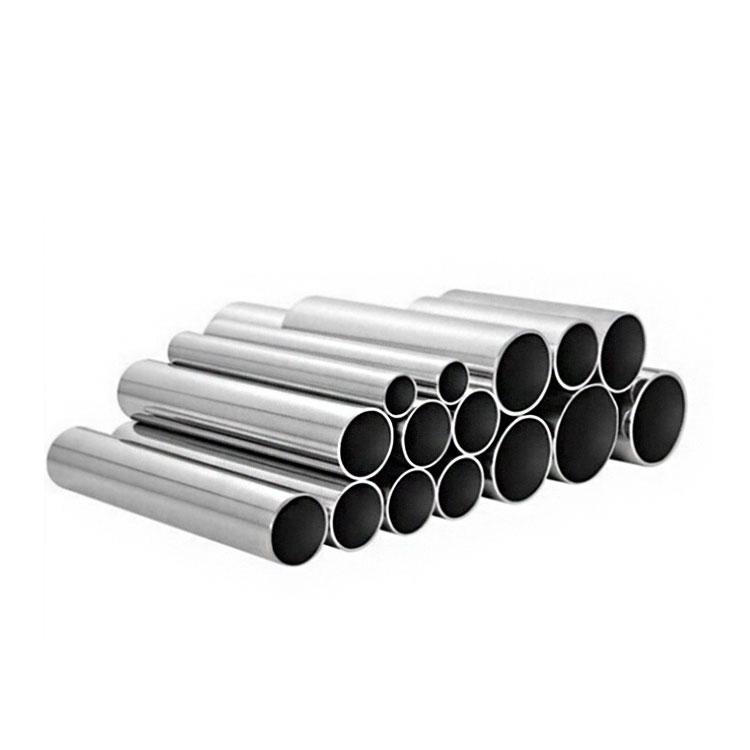
 Stainless Steel Welded Pipe
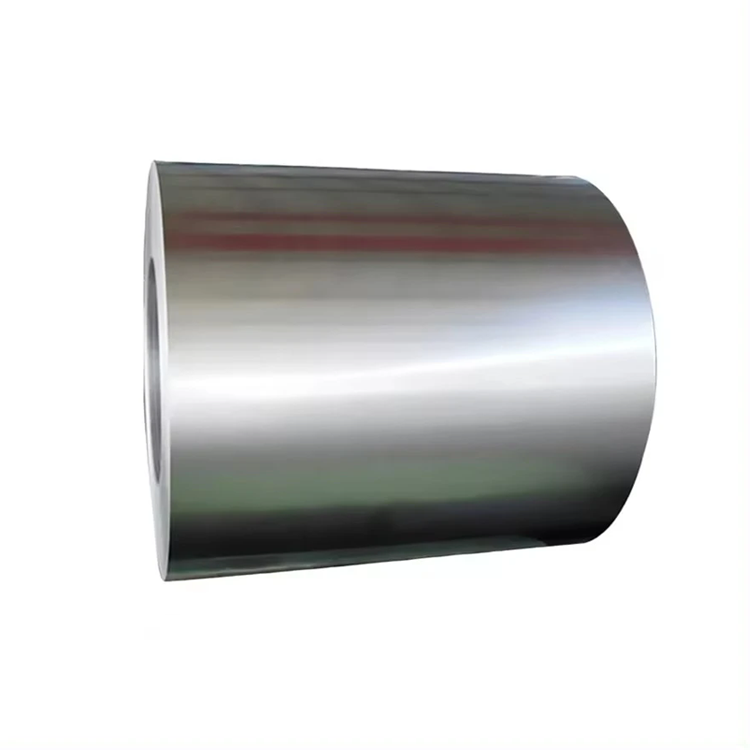
 Stainless Steel Coil
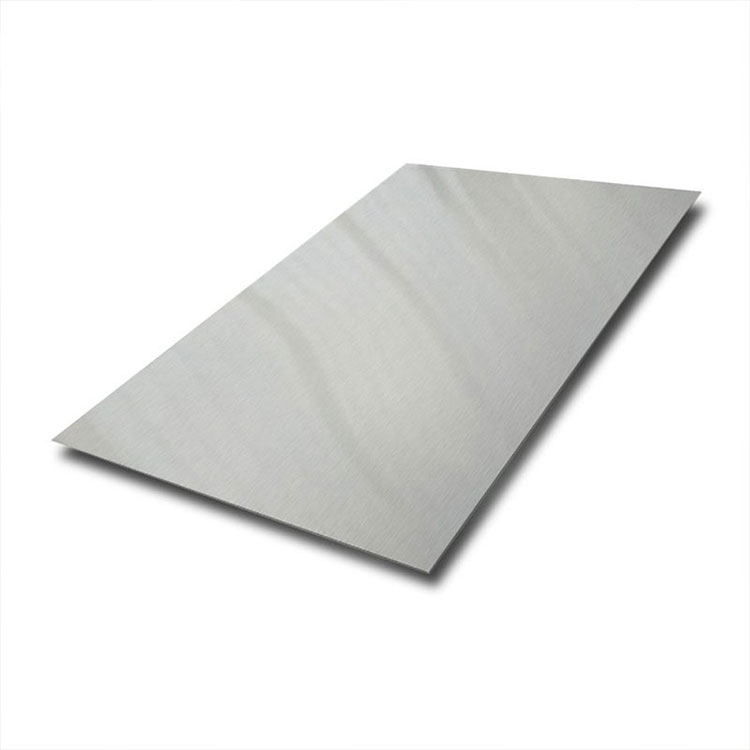
 Stainless Steel Plate
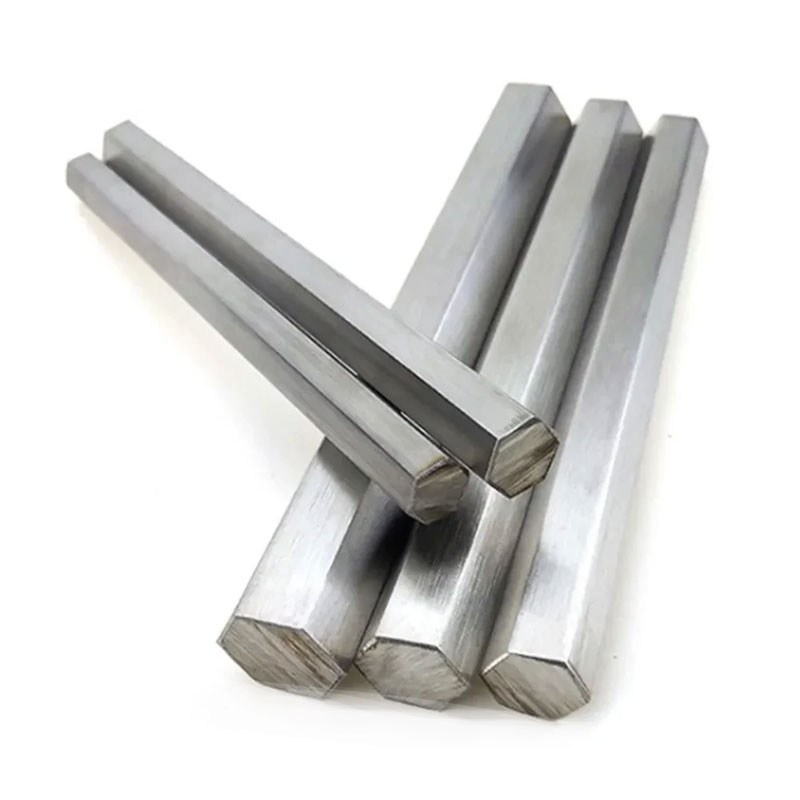
 Steel Hexagon Bars
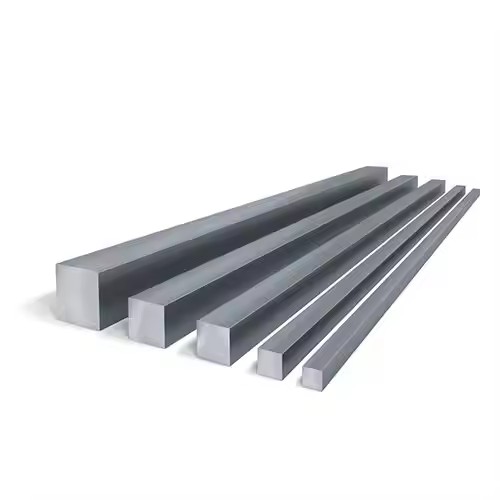
 Steel Square Bars
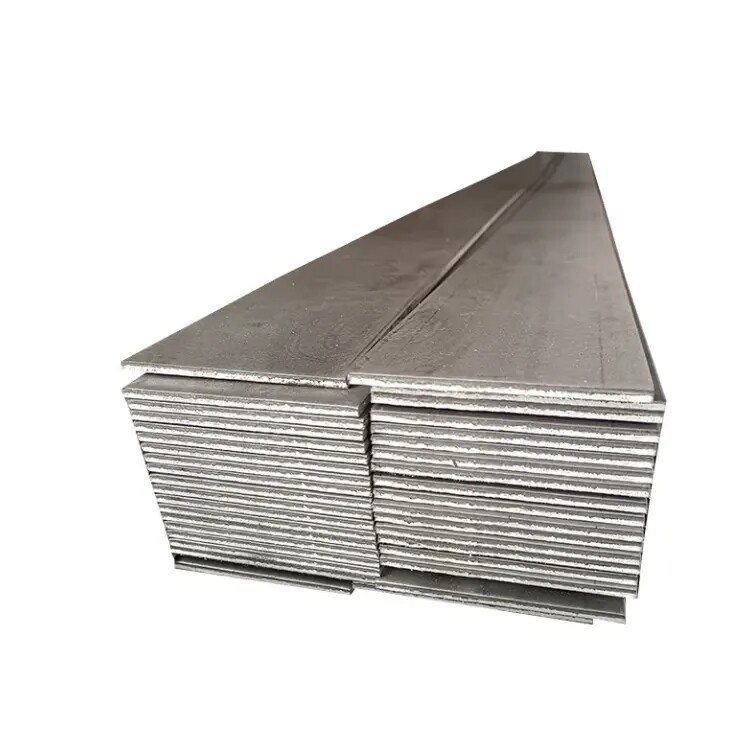
 Steel Flat Bars
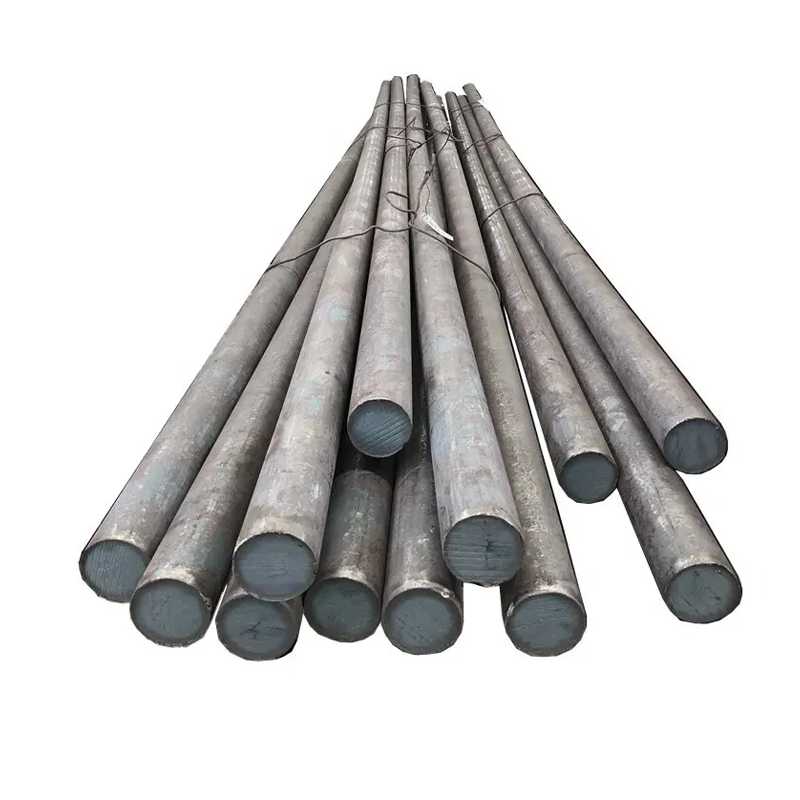
 Carbon Steel Round Bar
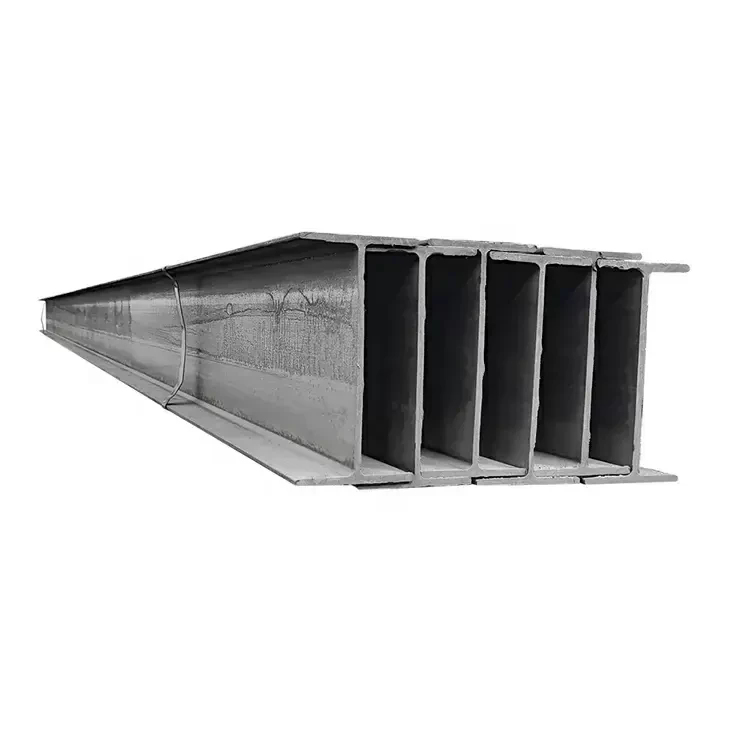
") I Beam(IPE Beam)
I Beam(IPE Beam) H-Beam
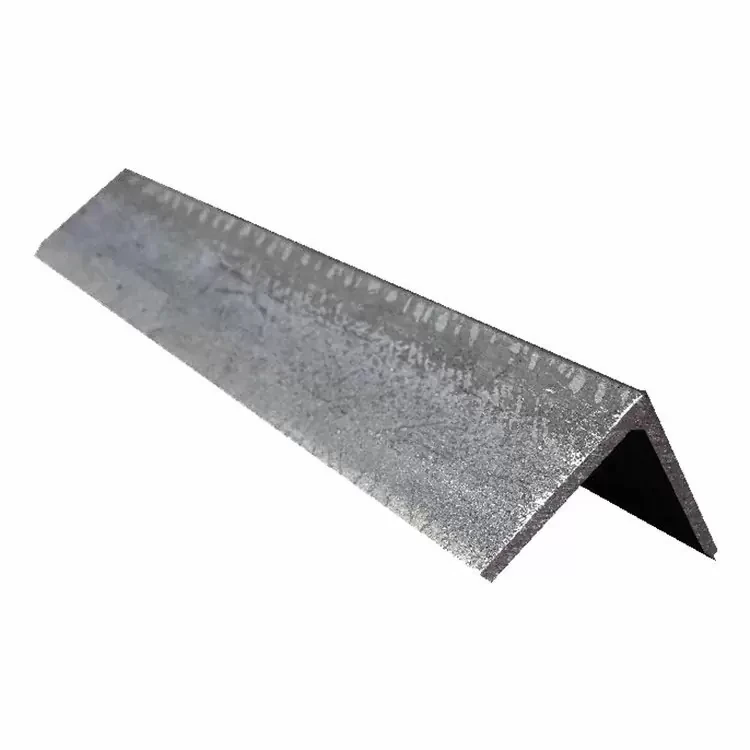
 Angle steel
 Channel Steel
 Tinplate Sheet
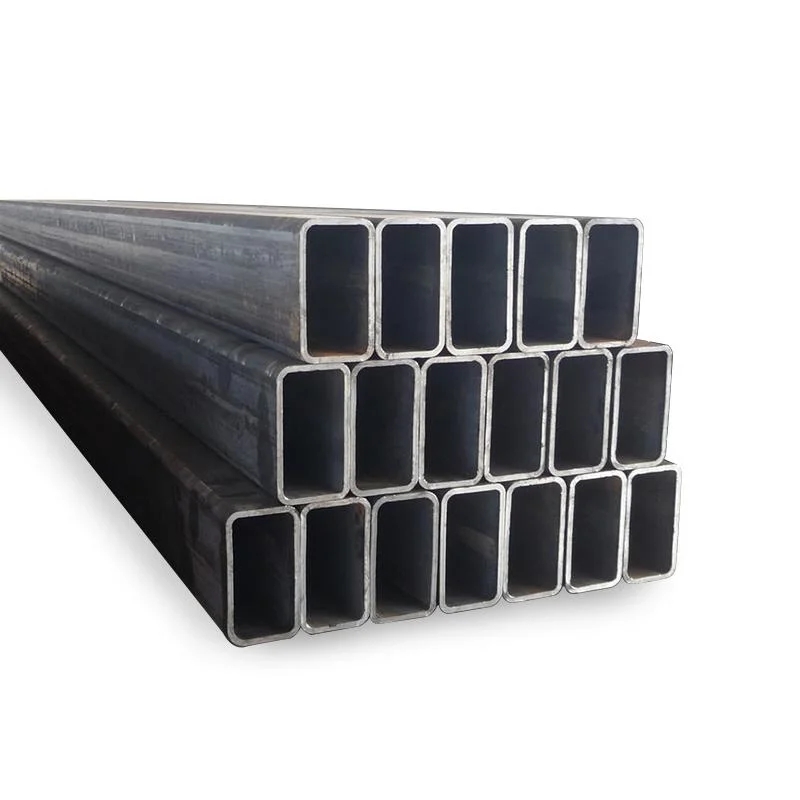
") Rectangular Hollow Section(RHS)
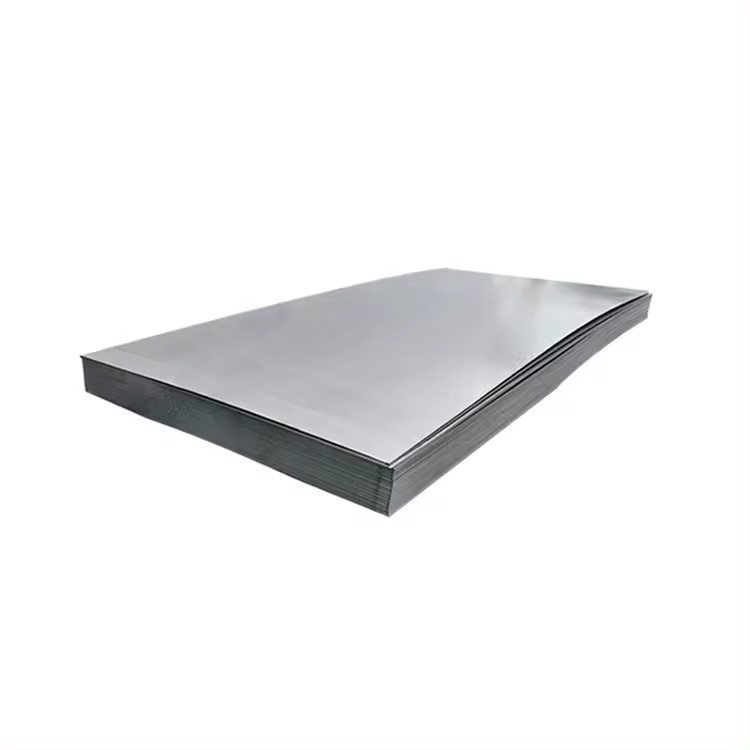
Rectangular Hollow Section(RHS) Cold Rolled Steel Plate
 Galvanized Corrugated Roofing Metal Sheets
 Cold Rolled Carbon Steel Coil
 ASTM A53 Grade A & B Welded & Seamless Steel Pipe
 Carbon Steel Wire
 Steel Rebar
 PPGI Roofing Sheet





Leave A Message
If you are interested in our products and want to know more details, please leave a message here, we will reply you as soon as we can.